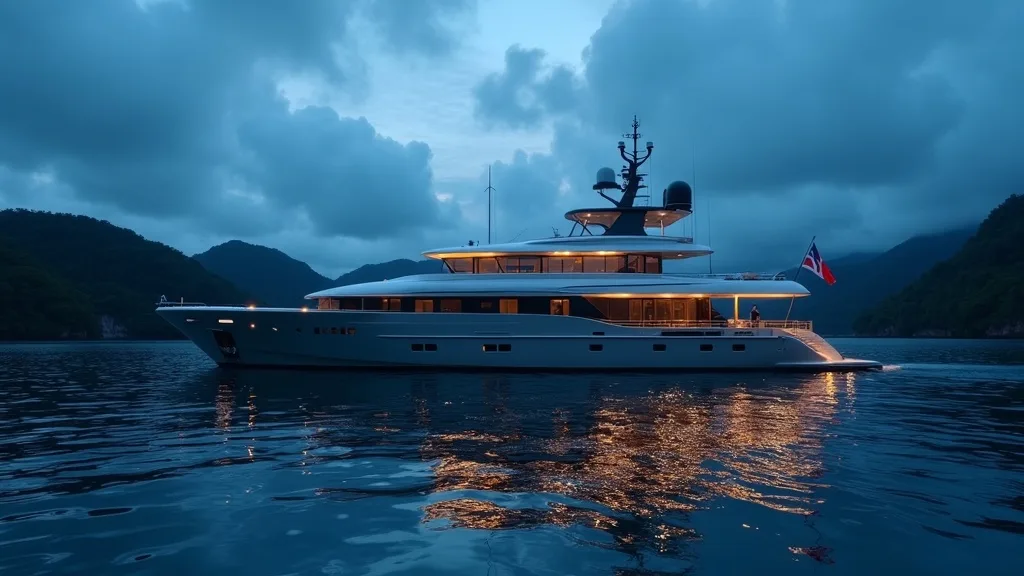
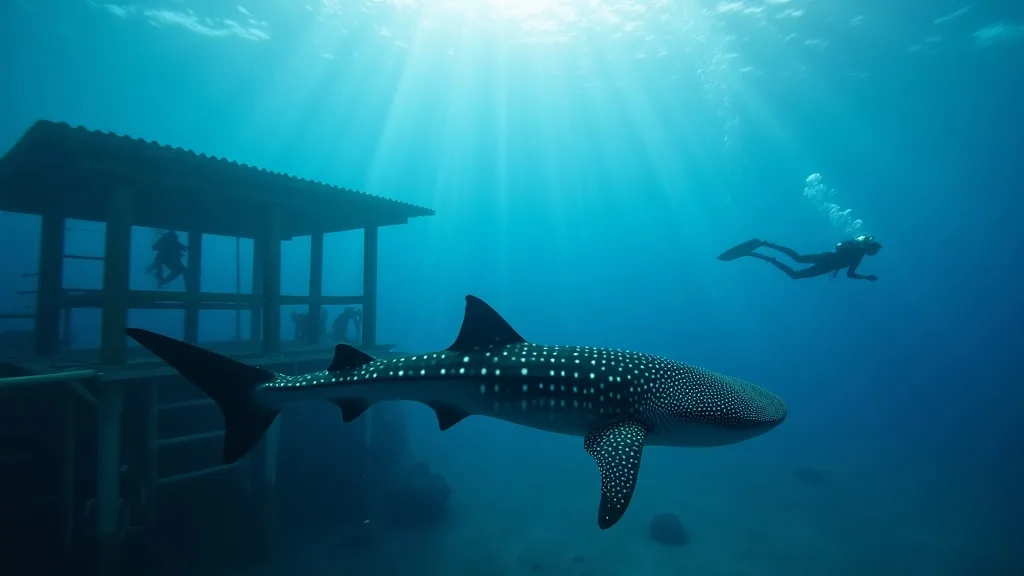
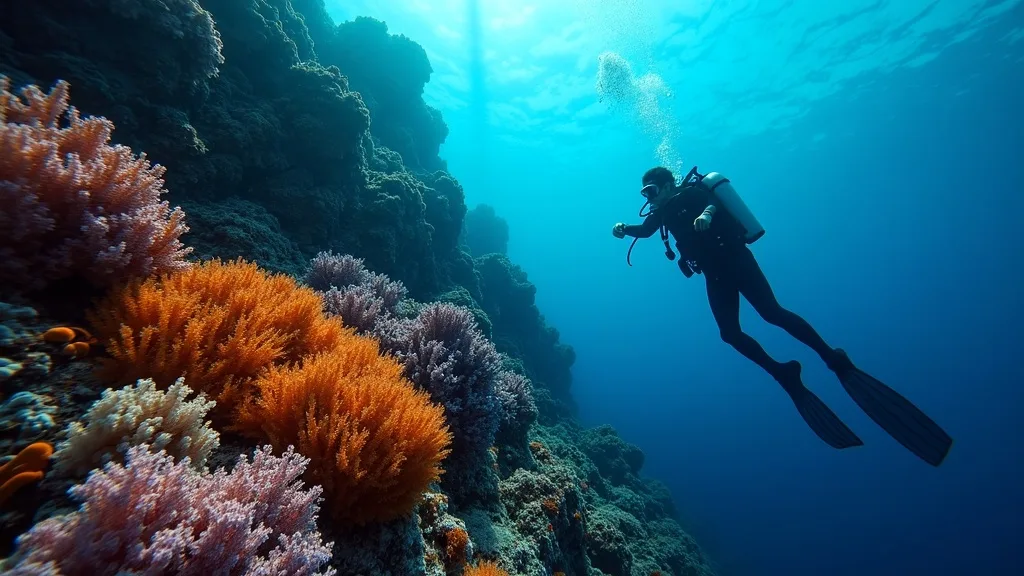
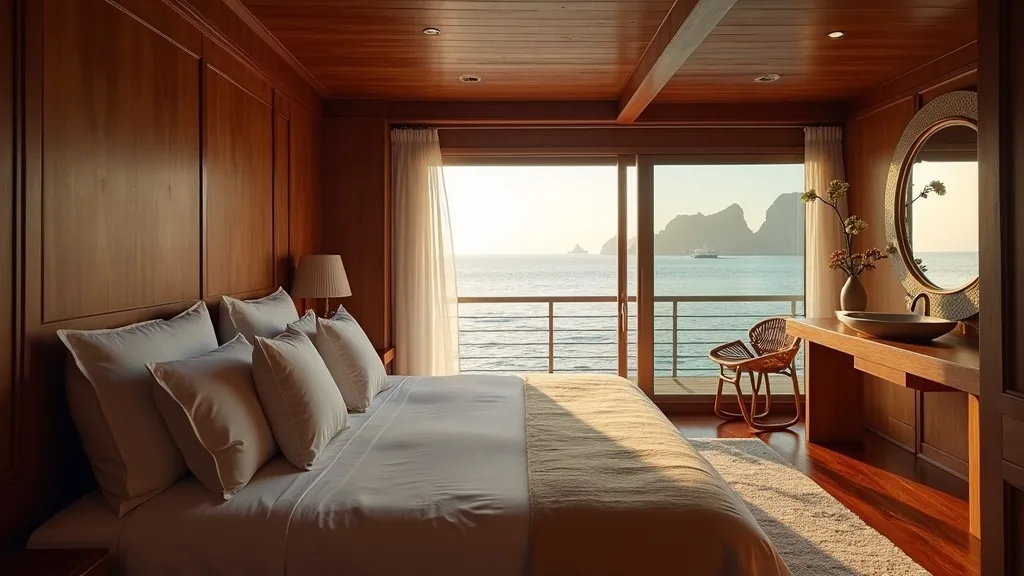
Booking a Labuan Bajo liveaboard in 2027 involves understanding the operational intricacies that deliver your Komodo experience. From vessel maintenance to crew training and itinerary planning, a complex system ensures your journey, whether a budget open trip or a private charter, adheres to safety standards and provides access to the archipelago’s natural wonders.
The Engine Room: Vessel Maintenance and Safety Protocols
Before any passenger steps aboard, our vessels undergo rigorous maintenance. Each liveaboard, from the smallest phinisi to the largest luxury yacht, adheres to a strict schedule of inspections and servicing. This includes engine checks, hull integrity assessments, and regular safety equipment audits. Life rafts, life jackets, fire extinguishers, and first-aid kits are routinely examined and replaced as necessary. Our commitment to maritime safety is paramount, reflecting Indonesian regulations and international best practices.
Furthermore, all crew members undergo comprehensive safety training. This covers emergency procedures, including fire drills, man overboard protocols, and basic first aid. We believe an informed and prepared crew is crucial for a secure voyage, ensuring peace of mind for families and groups exploring the Komodo National Park.
Crew Dynamics: The People Behind Your Journey
A successful liveaboard experience relies heavily on its crew. Typically, a vessel will have a captain, first mate, engineers, chefs, and deckhands. On diving-focused boats, experienced dive masters and instructors are integral. Each role is vital:
- Captain: Responsible for navigation, safety, and overall vessel operations.
- First Mate: Assists the captain and oversees deck operations.
- Engineers: Maintain all mechanical and electrical systems, ensuring smooth propulsion and power.
- Chefs: Prepare all meals, catering to various dietary requirements with fresh, local ingredients.
- Deckhands: Assist with mooring, passenger luggage, equipment handling, and general vessel upkeep.
- Dive Masters/Instructors: Lead dives, ensure diver safety, and provide expertise on marine life.
Our crews are predominantly local, possessing intimate knowledge of the Komodo archipelago’s waters, currents, and dive sites. This local expertise is invaluable for planning safe and engaging itineraries, adapting to weather conditions, and providing authentic cultural insights.
Crafting the Itinerary: Optimising Your Komodo Experience
Developing a liveaboard itinerary is a precise process, balancing passenger interests with environmental considerations and daily visitor caps. For example, starting April 2026, a strict daily cap of 1,000 visitors will be enforced in core zones of Komodo National Park. This requires meticulous planning to secure permits and ensure access to popular sites like Komodo Island, Padar Island, and Pink Beach.
A typical 3D2N itinerary often includes:
- Day 1: Arrival in Labuan Bajo, transfer to the boat, sail to Kelor Island for snorkelling, then Rinca Island for Komodo dragon trekking. Sunset at Kalong Island for flying fox observation.
- Day 2: Early morning trek on Padar Island for panoramic views, snorkelling at Pink Beach, and Manta Point for manta ray encounters.
- Day 3: Morning dives/snorkelling at Taka Makassar or Siaba Island, return to Labuan Bajo.
For private charters, the itinerary is bespoke, allowing groups to tailor their journey to specific interests, whether extended diving, more relaxed beach time, or particular island visits. This flexibility is a key advantage for families or groups wanting a personalised adventure, such as those considering a labuan bajo liveaboard experience for their next holiday.
Understanding Pricing: What Your Investment Covers
The cost of a Labuan Bajo liveaboard reflects the comprehensive services and operational expenses involved. Here’s a breakdown based on 2026–2025 data, providing a forward-looking perspective for 2027 planning:
| Trip Type | Cost (Per Person, 3D2N unless stated) | Details | Best For |
|---|---|---|---|
| Budget Open Trip | IDR 3,700,000 – 5,000,000 (~$230–$310) | Shared cabins (2–4 bunks), often non-private ensuites. | Families seeking low-cost, social experiences; groups of 4–10. |
| Mid-Range | IDR 5,000,000 – 7,500,000 | Private rooms with ensuites, more spacious. | Families needing privacy; groups prioritising comfort. |
| Diving-Focused | IDR 9,600,000 – 10,500,000 | Includes multiple dives, dive masters (equipment often extra). | Dedicated diving families or friend groups. |
| Family Ocean View | IDR 5,000,000 (for 4 pax, ensuite, balcony) | Dedicated family cabin with private balcony. | Families with 2 adults + 2 children. |
| Private Boat Charter | ~IDR 40,500,000 (Whole Boat, 2D1N, ~$2,500) | Capacity up to 20 people. Total privacy, custom itinerary. | Large groups (15–20) wanting total privacy. |
| Luxury Charter | IDR 19M – 53.5M+ (Per Day) | High-end comfort, bespoke services. | High-budget groups seeking 5-star comfort. |
Additional Costs and Considerations for 2027
Beyond the liveaboard package, several costs need to be factored into your budget:
- Flights to Labuan Bajo: IDR 2,000,000 – 4,000,000 per person (return domestic). These must be booked independently.
- Komodo National Park Entrance Fees: IDR 150,000 – 350,000 per person per day. Expect higher fees on weekends and public holidays. As mentioned, the daily visitor cap of 1,000 in core zones will impact availability, making early booking crucial.
- Nitrox: Often an extra charge on budget boats; sometimes included in luxury packages.
- Equipment Rental: Snorkelling gear is usually included, but dive equipment (BCD, regulator, fins, mask, wetsuit) often incurs an additional daily fee, typically IDR 150,000 – 250,000 per item.
- Travel Insurance: Highly recommended to cover unforeseen circumstances, including trip cancellations or medical emergencies.
Understanding these components allows for comprehensive financial planning, ensuring no unexpected expenses detract from your journey.
2027 Note: The implementation of the 1,000-visitor daily cap in Komodo National Park’s core zones from April 2026 will significantly influence booking strategies. It is advisable to secure liveaboard reservations well in advance, particularly for peak seasons, to guarantee park access. Operators are adapting their booking processes to accommodate these new regulations.
The Commitment to Local Communities and Sustainability
Our operations are deeply intertwined with the local communities of Labuan Bajo and the surrounding islands. We endeavour to support local economies through employment, sourcing fresh produce from local markets, and engaging with local guides for island excursions. This commitment extends to sustainable tourism practices, including strict waste management protocols on board, responsible diving and snorkelling guidelines to protect coral reefs, and educational initiatives for passengers on marine conservation.
By choosing a reputable liveaboard operator, you contribute to these ongoing efforts, ensuring the Komodo archipelago remains pristine for future generations. This behind-the-scenes commitment forms the backbone of every memorable journey we facilitate.
FAQ
What is the typical crew-to-guest ratio on a Labuan Bajo liveaboard?
The crew-to-guest ratio varies significantly by vessel size and trip type. Budget open trips might have a ratio of 1:4 to 1:6, while luxury private charters can offer a much more personalised service with ratios as low as 1:1 or even higher for specialised services like dedicated dive guides.
How far in advance should I book a liveaboard for 2027, especially with the new visitor caps?
Given the implementation of the 1,000-visitor daily cap in Komodo National Park from April 2026, it is strongly recommended to book your liveaboard six to twelve months in advance, particularly if you plan to travel during peak season (June to September) or public holidays. Private charters might require even earlier booking.
Are dietary restrictions catered for on liveaboards?
Yes, reputable liveaboard operators can accommodate most dietary restrictions, including vegetarian, vegan, gluten-free, and allergy-specific meals. It is crucial to communicate any dietary needs clearly at the time of booking to allow the chef sufficient time to plan and source appropriate ingredients.