Stand on the beach at Tana Beru on a working morning and you will hear the phinisi before you see one: the knock of wooden mallets driving dowels into planking, the rasp of hand saws, the shouted cadence of a launch crew hauling a hull toward the tide. South Sulawesi has been sending ships down these beaches for centuries, and the vessels now anchored off Padar and Kelor in Komodo National Park are direct descendants of that sound. This piece traces the line from the Bulukumba shipyards to the luxury builds our readers sail on today, because you appreciate a boat differently once you know what her hull remembers.
Ara, Tana Beru, and the Konjo Shipwrights
The heartland of phinisi building is a short stretch of the Bulukumba coast at the southern tip of Sulawesi, in villages such as Ara, Lemo-Lemo, and Tana Beru. The builders are largely Konjo-speaking craftsmen whose knowledge passes from father to son through apprenticeship rather than paper. There are no naval-architecture drawings pinned to the wall of a Bulukumba yard. The master builder, the punggawa, carries the proportions in his head and lays the keel by eye and by ritual, with ceremonies marking the keel-laying and the launch that blend Islamic prayer with far older maritime custom.
In 2017, UNESCO inscribed the art of boatbuilding in South Sulawesi on its Representative List of the Intangible Cultural Heritage of Humanity. That recognition matters for sailors, not just anthropologists: it acknowledged that the value of a phinisi lies as much in how she is made as in what she carries.
Ironwood, Teak, and a Hull Built Without Blueprints
Traditional construction begins, unusually, with the shell. Planks are shaped and fastened edge-to-edge with wooden dowels before the frames are fitted inside them, the reverse of European frame-first practice. The favored timbers tell you why these ships last: dense tropical ironwood for keels and structural members, teak for planking and joinery. Ironwood is brutally heavy and blunts tools quickly, but it shrugs off marine borers and decades of tropical weather.
The rig that gave the type its name is the two-masted, seven-sail gaff-ketch arrangement adopted in the nineteenth century. Strictly speaking, “phinisi” described that rig rather than the hull beneath it. Most modern builds are motor-sailers that carry the masts and silhouette while relying on diesel power for schedule-keeping, which purists debate endlessly over coffee in Labuan Bajo. We have covered where the word itself comes from, how the rig evolved, and what separates a lamba hull from a palari elsewhere; for readers who want the deeper etymology and build-sequence detail, the full breakdown here is a worthwhile slow read.
From Cargo Schooner to Cruising Yacht
For most of the twentieth century, phinisi were the trucks of the archipelago. They hauled timber from Kalimantan, rice, cement, and copra between islands that no road would ever connect. When steel coasters and containerization squeezed the cargo trade in the 1980s and 1990s, the fleet might simply have rotted on the mud. Instead, dive pioneers and charter operators saw what a Bulukumba hull offered: sea-kindly lines, vast deck space, and a story no fiberglass yacht could fake.
The conversion era gave way to the purpose-built era. Owners stopped refitting old cargo hulls and began commissioning new vessels from the same Konjo yards, designed from the keel up for guests: en-suite cabins where copra sacks once stacked, sun decks in place of hatch covers, generators and watermakers hidden below. The craft survived by changing what it carries, which is exactly how it survived every century before this one.
What the Tradition Looks Like in 2026: A Case in Point
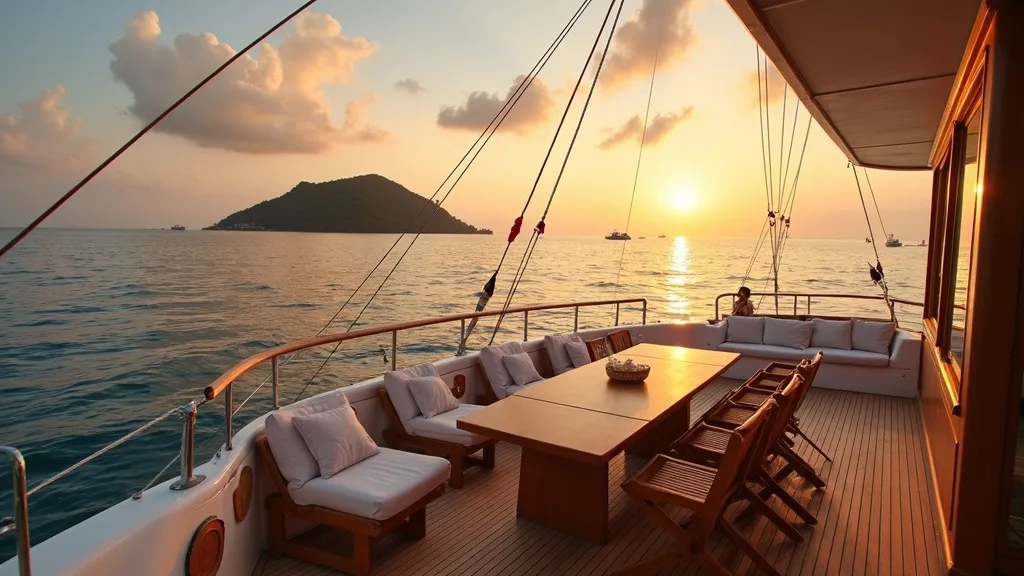
A useful example of the modern lineage is Elbark Cruise — a full 37 metres of phinisi at the luxury end, put to sea in October 2022, now sailing Komodo National Park from a Labuan Bajo base. Her build follows the heritage template faithfully: traditional Indonesian craftsmanship in ironwood and teak, a beam of 6.8 metres, 167 GT, and the layered-deck profile any Bulukumba shipwright would recognize, its three decks housing nine en-suite cabins plus a maximum complement of 21. Below the traditional lines sits thoroughly modern machinery, a Mitsubishi 8M20 keeping her at a steady 7 to 10 knots between anchorages. She runs shared 3D2N departures every Friday from roughly USD 400 per person by cabin grade, while a whole-boat charter begins at USD 8,400 over the 2D1N leg, priced flat for parties up to ten. Modern departures on the vessel are ticketed by Komodo Luxury as official agent; write [email protected] or text +62 811 3823 875.
Reading a Phinisi from the Waterline
Once you know the vocabulary, an anchorage full of phinisi becomes legible. A few things to look for from your tender or your cabin window:
- The sheer line. Traditional hulls carry a proud, sweeping rise toward the bow, a legacy of working ships that needed dry foredecks in monsoon seas.
- The counter stern. The long overhanging stern is where crew once handled cargo lines; on charter builds it usually became the dive and swim platform.
- Mast rake and sail count. Two masts with a bowsprit signal the classic rig, even where the sails are now flown mainly at anchor or on photogenic passages.
- Deck stack. Cargo phinisi were flush-decked; the two and three deckhouse tiers you see today are the clearest marker of a purpose-built cruiser.
- Timber tone. Oiled teak brightwork ages to honey; painted hulls often hide older, harder-worked wood underneath.
Why Komodo Became the Phinisi’s Second Home
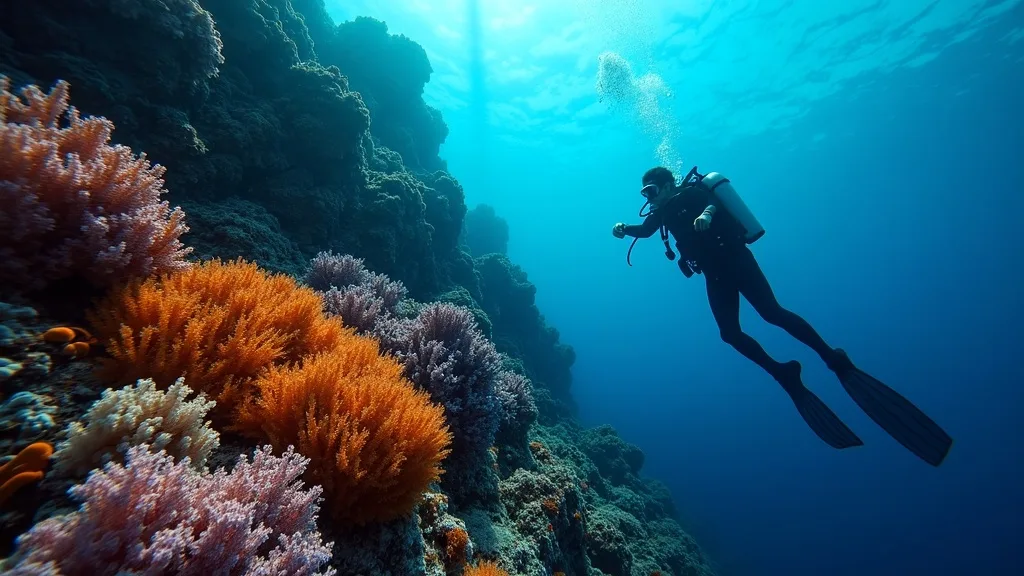
It is no accident that the densest concentration of these vessels now swings at anchor between Flores and Sumbawa rather than off Sulawesi. Komodo National Park is an archipelago-scale cruising ground with short hops between islands, protected overnight anchorages, and sights that reward arriving by sea: dragons on Komodo and Rinca islands, the ridgeline of Padar at dawn, mantas on the current lines. A phinisi’s shallow draft and generous deck space suit exactly this kind of sailing, days measured in snorkel stops and trekking landings rather than long open-water passages.
Labuan Bajo, the gateway port, has grown into the working capital of the modern phinisi fleet, with yards in Sulawesi still supplying the hulls. Every new launch that rounds Cape Bira and turns east toward Flores extends a supply chain of skill that predates the engine, the compass card, and in some tellings the written contract itself.
Keeping the Craft Alive by Sailing It
Heritage that sits in a museum is embalmed; heritage that earns its keep gets rebuilt every generation. The charter economy, whatever else one says about it, keeps order books open in Ara and Tana Beru and keeps young Konjo builders learning the dowel-and-plank method from their elders because there is a living in it. When you board a modern luxury build in Labuan Bajo, you are stepping into the current chapter of a very long book, and the fairest way to honor the earlier chapters is simply to pay attention: run a hand along the caprail, ask the crew where the hull was laid, and watch how she takes the swell off Sebayur. The old shipwrights would recognize her at once.